



LTL Transit Times Between Saudi Cities: What to Expect
LTL is slower than FTL because freight passes through a hub. Here are typical door-to-door times on the main Saudi lanes.
Read guideScheduled road freight, refrigerated distribution and courier into Abha, Khamis Mushait and the southern highlands.
The Asir region is one of the harder parts of Saudi Arabia to serve well. Abha sits above 2,200 metres in the southern highlands, the approach climbs through mountain road with gradients and switchbacks that rule out some vehicle types, and the region is two to four days from the central and western distribution hubs depending on mode. Most national carriers treat it as an afterthought served on whatever truck happens to be going.
We run it as a scheduled lane instead. Full truck loads move direct from Riyadh or Jeddah; LTL consolidates smaller consignments so a business in Abha is not paying for a whole trailer to receive six pallets. Because the schedule is fixed, a retailer or distributor in Khamis Mushait can plan replenishment around it rather than around truck availability.
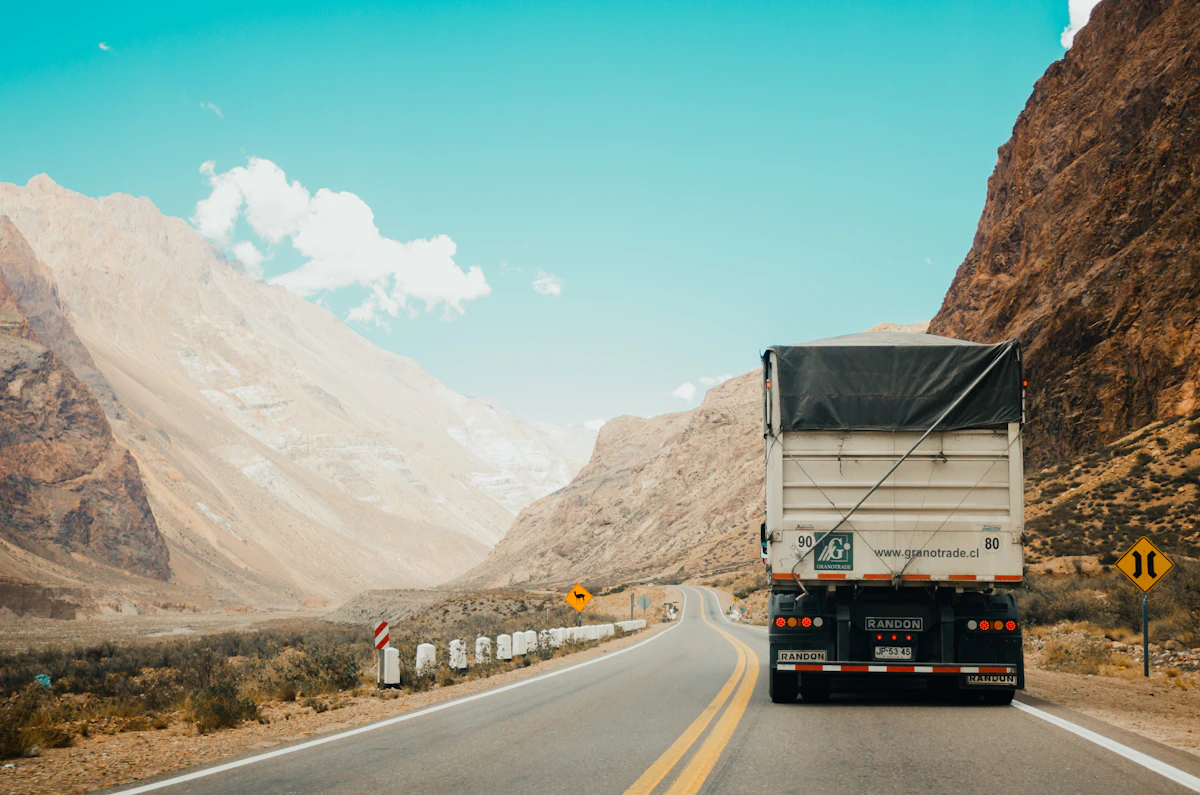
The altitude and the climb matter operationally. Vehicle selection accounts for gradient, and refrigerated loads need the cooling unit specified for sustained climbing in summer heat — a reefer that holds temperature on the flat can struggle on a long ascent. For food and pharmacy distribution into the highlands, that is the difference between arriving in spec and arriving as a claim.
Beyond Abha and Khamis Mushait we serve the wider south — Jizan on the coast, Najran toward the border, and Bisha and the Asir interior — plus project and construction freight into the region's ongoing tourism and infrastructure developments.
Direct full loads or consolidated pallets from Riyadh and Jeddah on a fixed schedule.
Reefers specified for sustained mountain climbing in summer, with temperature records.
Scheduled next-day and two-day courier into Abha, Khamis Mushait and the region.
Materials and plant for the region's tourism and infrastructure developments.
The regional capital at over 2,200 m. Two to four days from Riyadh depending on mode, on a scheduled lane rather than ad-hoc capacity.
The region's commercial and distribution centre, 25 km from Abha and the usual delivery point for retail and wholesale volume.
Coastal Asir and the Jizan region, including port and agricultural flows.
Toward the southern border, four to five days from Riyadh, served on scheduled runs.
Inland towns and agricultural areas reached on regional distribution routes.
The two feeding lanes. Jeddah is the shorter run up the coast road; Riyadh serves central-region stock.
Two to four days from Riyadh depending on mode — full truck load is faster than LTL, which consolidates through a hub. From Jeddah the run up the coast road is shorter. Because we run it as a scheduled lane you get a fixed departure to plan around rather than waiting for a truck heading that way.
Yes — that is what the LTL service is for. You pay for the pallet positions you use rather than a whole trailer, which for a business in Abha or Khamis Mushait receiving a few pallets is typically 50 to 70 percent cheaper than a dedicated vehicle.
Yes, and the vehicle specification matters more here than on flat lanes. A cooling unit that holds temperature on the level can struggle on a sustained climb in summer heat, so reefers on this lane are specified for it and travel with continuous temperature logging.
Khamis Mushait — usually the actual delivery point for retail and wholesale volume — plus Jizan on the coast, Najran toward the border, and Bisha and the Asir interior on regional distribution routes.
Yes. Flatbeds carry steel, pipe and building materials, and lowbeds handle plant where the mountain route allows it. Oversized loads need a route survey here more than anywhere, because gradient and switchback radius rule out some combinations outright.
Yes, on scheduled next-day and two-day service depending on the origin city, with tracking and electronic proof of delivery. Cash on delivery is available for e-commerce consignments.
LTL is slower than FTL because freight passes through a hub. Here are typical door-to-door times on the main Saudi lanes.
Read guideRefrigerated transport is the workhorse of the Saudi cold chain. Here is how the vehicles, lanes and procedures fit together.
Read guideLand freight moves the overwhelming majority of goods inside Saudi Arabia and to its neighbours. Here is how the network works.
Read guide